Mining

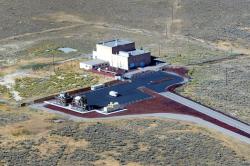
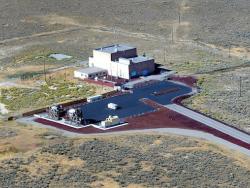
Birdseye view of EBR-I
Society: ASMMain Category: MiningSub Category: NuclearEra: 1950-1959DateCreated: 1951ArcoState: IDZip: 83413Country: USAWebsite: https://www.hmdb.org/m.asp?m=103900Creator: Zinn, Walter


The first production of usable nuclear electricity occurred on December 20, 1951, when four light bulbs were lit with electricity generated from the EBR-1 reactor. Experimental Breeder Reactor No.1 was designated a Registered National Historic Landmark in 1966.

YearAdded:
2017
Image Credit: Idaho National LaboratoryImage Caption: Birdseye view of EBR-I
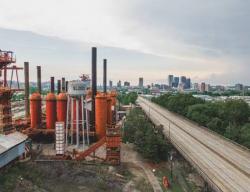
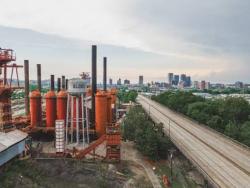
Alternate view of the site with Birmingham in background
Society: ASMMain Category: MiningSub Category: Minerals Extraction & RefiningEra: 1880-1889DateCreated: 188220 32nd St SBirminghamState: ALCountry: USAWebsite: https://www.hmdb.org/m.asp?m=173375Creator: Sloss, James Withers

Sloss Blast Furnaces has been designated a National Historic Landmark. This site possesses national significance in commemorating the history of the United States of America.
1981.

ASM International has designated Sloss Furnaces an historical landmark.
Sloss Furnaces, which became operative in 1882, were instrumental in establishing the iron industry in the South. Modernized in 1927-1928, they remained in operation until 1970.
1986.

YearAdded:
1981
Image Credit: Birmingham, Al GovernmentImage Caption: Sloss Blast Furnace site in Birmingham
(Image not displayed)
Society: ASMEMain Category: Mechanical, MiningEra: 1930-1949DateCreated: 1937State: AZCountry: USACreator: Carrier Corporation

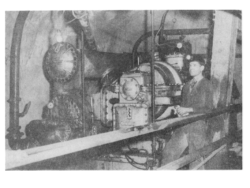
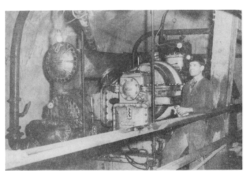
The Magma Copper Mine AC system designed by the Carrier Corporation was the first underground mechanical air conditioning system in North America. The initial installation of refrigerated cooling equipment in the Magma Mine at Superior, Arizona was necessary due to the increase in temperature lower into the mine. Below the 2000-foot level, the increase in rock temperature is approximately 1½ degrees F. per 100 feet of depth. The rock temperature on the 2000-foot level is 109°. 

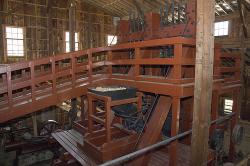
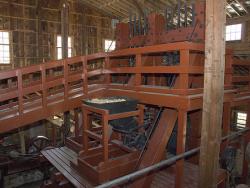
Reed Gold Mine Ten-Stamp Mill
Society: SME (mining)Main Category: Mechanical, MiningSub Category: Minerals Extraction & RefiningEra: 1890-1899DateCreated: 1895Reed Gold Mine Historic SiteMidlandState: NCZip: 28107Country: USAWebsite: http://www.smenet.org/Creator: Mecklenburg Iron Works

The first authenticated discovery of gold in the U.S. occurred on the Cabarrus County farm of John Reed in 1799, sparking the nation's first gold rush. During its peak years, more than a million dollars of gold was recovered a year, making North Carolina a leader in gold production until 1848. This mill, built by the Mecklenburg Iron Works of Charlotte, North Carolina, is original except for the timber work. Two groups of five 750-pound stamps with 5- to 7-inch lift, rose and fell thirty-five times a minute to yield a finely crushed ore.


YearAdded:
1983
Image Credit: Photo Courtesy of North Carolina Department of Cultural Resources.Image Caption: The Stamp Mill at the Reed Gold Mine in Midland, NC.Era_date_from: 1895
Subscribe to Mining

Innovations

Reed Gold Mine Ten-Stamp Mill

The first authenticated discovery of gold in the U.S. occurred on the Cabarrus County farm of John Reed in 1799, sparking the nation's first gold rush. During its peak years, more than a million dollars of gold was recovered a year, making North Carolina a leader in gold production until 1848.…

Read More
(Image not displayed)

The Magma Copper Mine AC system designed by the Carrier Corporation was the first underground mechanical air conditioning system in North America. The initial installation of refrigerated cooling equipment in the Magma Mine at Superior, Arizona was necessary due to the increase in temperature…

Read More
Alternate view of the site with Birmingham in background

Sloss Blast Furnaces has been designated a National Historic Landmark. This site possesses national significance in commemorating the history of the United States of America.
1981.

ASM International has designated Sloss Furnaces an historical landmark.
Sloss Furnaces,…

Read More
Birdseye view of EBR-I


The first production of usable nuclear electricity occurred on December 20, 1951, when four light bulbs were lit with electricity generated from the EBR-1 reactor. Experimental Breeder Reactor No.1 was designated a Registered National Historic Landmark in 1966.

We hope you enjoyed this essay.

Please support America's only magazine of the history of engineering and innovation, and the volunteers that sustain it with a donation to Invention & Technology.

Donate

Stay informed - subscribe to our newsletter.
The subscriber's email address.